
Corporate Event Budget & Agency Costs
A useful corporate event budget shows what your money buys and what still needs a decision. Flex Event can prepare a scoped event proposal that separates the production, people and services required for your programme, helping you compare choices before committing to them.
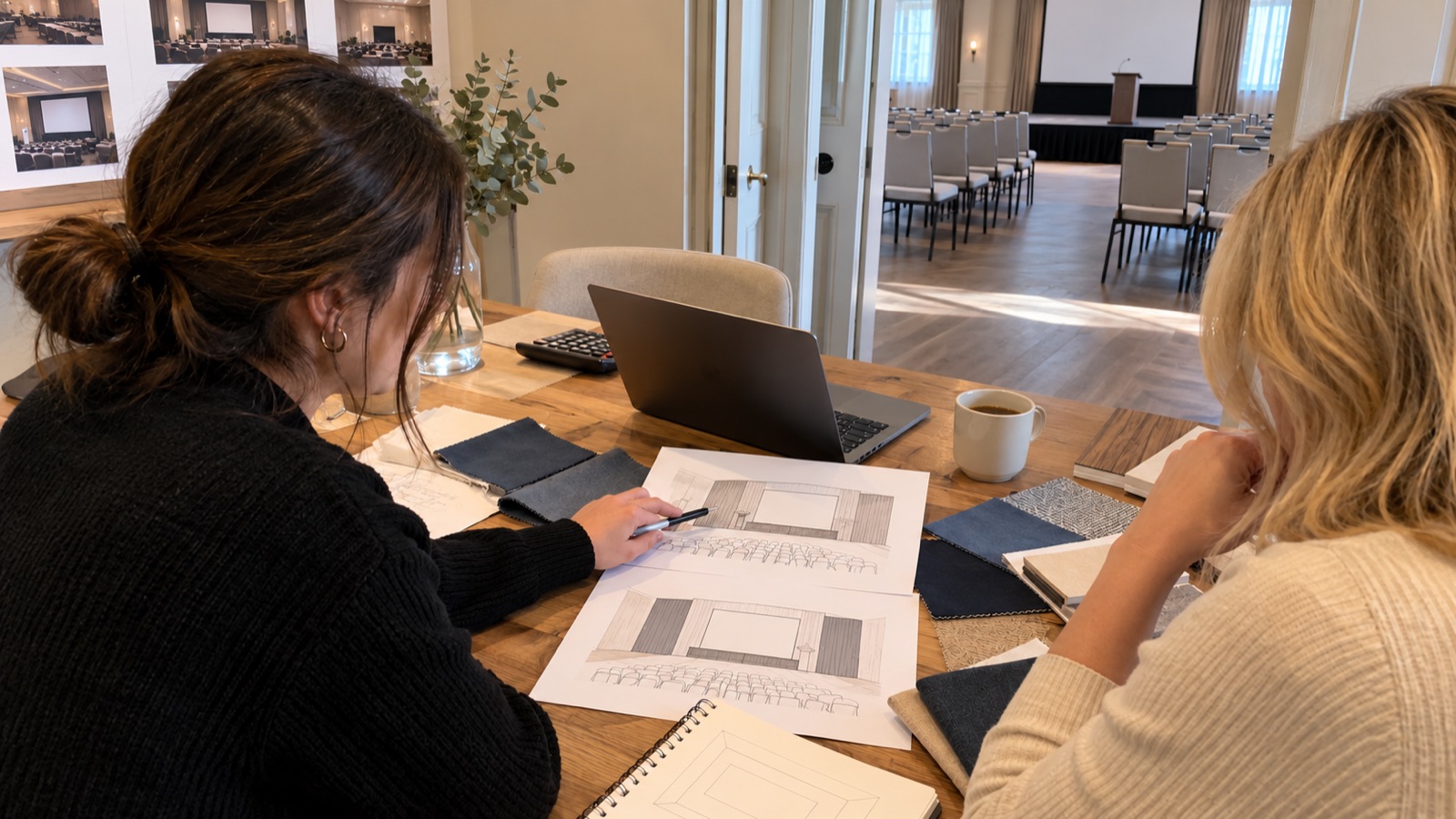
Corporate event costs depend on the brief
Guest numbers are only part of the picture. A short meeting in a prepared room and a product launch in an empty space can involve very different work. Venue access, technical equipment, custom construction and rehearsal time all affect the scope.
Start with the outcome, location, date, audience and proposed programme. Explain which services are already booked and which you want the agency to arrange. A working budget range helps the team develop a realistic proposal. If some details are still open, the estimate should state its assumptions so you can see what may change.
Flex Event's proposal can cover a complete event or selected services. There is no universal agency fee or per-person price that describes every project. The quotation sets out the agreed commercial basis, included work and separately priced options. Venue charges, specialist services and other external costs should be visible rather than treated as unspecified additions.
Six areas to review in an event quotation
Planning and agency responsibilities
Identify who develops the concept, manages the schedule and coordinates the suppliers. The quotation should explain the management work included and the basis on which it is charged. Separate a defined production assignment from a broader event-management scope so you compare equivalent responsibilities across proposals.
Venue and guest services
Review room hire, access periods and any services supplied through the venue. Catering, furniture, transport and accommodation may be included, arranged separately or already booked by your team. Confirm guest numbers, service periods and the conditions that would change the price before treating a budget line as settled.
Stage, scenic and technical production
A useful production allowance identifies the build, screens, sound, lighting and required operators. Custom materials, content formats and venue conditions affect the specification. Compare the actual equipment and service scope, including rehearsal, installation and dismantling, rather than comparing only the final total on two quotations.
People, hours and event content
Hosts, technicians, photographers and other specialists need defined roles and working periods. Editing and content delivery can continue after the event day. The proposal should show the agreed outputs and review rounds, with additional hours or versions discussed before they are requested as changes.
Options, assumptions and changes
Keep essential requirements visible alongside optional enhancements. Unconfirmed quantities or services should be identified, with a process for approving later changes. Any contingency allowance, currency basis, applicable taxes and payment terms should be stated clearly enough for your team to assess the full commitment.
Approval and final reconciliation
Before work starts, confirm the selected scope and who can authorise extra spending. During preparation, approved changes are recorded against that baseline. After delivery, the closing review compares the agreed work with completed services and any approved variations, giving your team a useful record for future event planning.
Contact
Share your event objective, date, guest numbers and budget range to get a scoped proposal with clear inclusions and options.